Handling Third-Party Liability in Personal Injury Cases
Mar 30, 2026 | Personal Injury, Spencer W. Jones
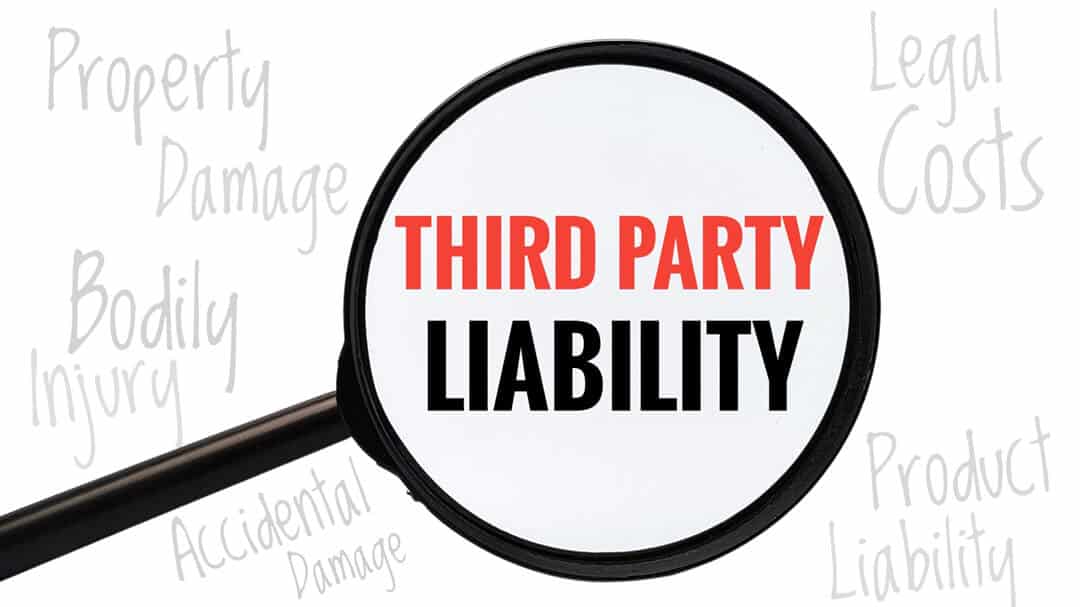
When you’re hurt in an accident, figuring out who’s at fault isn’t always as straightforward as it might seem. While the person who directly caused your injury may bear the most responsibility, there could be other parties who share the blame.
This post explains what third-party liability means and how identifying liable third parties could benefit your personal injury claim.
What Third-Party Liability Means
Third-party liability refers to the legal responsibility of someone other than the person who directly caused your injury. Think of it as looking beyond the obvious to find everyone who played a role in what happened to you.
For example, if you are injured in a car accident, the other driver is the obvious responsible party. However, if their brakes failed due to a defect, the manufacturer could be liable. Alternatively, if poorly maintained roads caused the accident, the government might be responsible.
Why does third-party liability matter? Each responsible party may bring a separate insurance policy and a different legal theory of fault. Adding these parties can expand the pool of available coverage and help pay for medical bills, lost wages, and long-term needs.
Common Scenarios Where Third-Party Liability Applies
Workplace Accidents
If you get hurt on the job, workers’ compensation usually covers medical bills and part of your lost wages, but it generally doesn’t let you sue your employer. However, you may be able to file a separate personal injury claim against a negligent third party. Common examples include:
Subcontractors or other trades who ignore safety rules and create hazards on a shared job site
Manufacturers or distributors of defective machinery, tools, vehicles, or safety gear used at work
Negligent drivers who cause crashes while you are driving for work or working alongside the road
Equipment rental or maintenance companies that provide or service unsafe lifts, forklifts, scaffolds, or other gear
In these situations, you may be able to pursue both workers’ compensation benefits and a separate third-party claim to seek additional compensation.
Car and Truck Collisions
Third-party liability also comes up frequently in car, truck, and motorcycle accidents. While an injured person often seeks compensation from the at-fault driver, other parties may share responsibility for causing or worsening the crash. Common examples include:
Employers of negligent drivers when the at-fault driver was on the job at the time of the collision
Vehicle or parts manufacturers whose defective brakes, tires, or other components contributed to the crash
Bars, restaurants, or social hosts that overserve alcohol, leading to drunk driving accidents (where dram shop laws apply)
Government agencies or contractors that fail to properly design, maintain, or repair dangerous roads or intersections
Unsafe Premises
Third-party liability is also common when a person is injured on someone else’s property. Property owners and those who control the premises have a legal duty to keep it reasonably safe for lawful visitors. Examples include:
Commercial property owners who allow hazards like wet floors, broken stairs, or poor lighting to go unaddressed
Landlords or property managers who ignore known dangers in common areas, such as loose railings or damaged walkways
Retail stores and businesses that fail to clean spills, remove obstacles, or provide adequate crowd control
Security companies or event organizers that do not take reasonable steps to prevent foreseeable assaults or other criminal acts
Get Help with Your Personal Injury Claim
If you were injured in an accident, on unsafe property, or at your workplace, Brock & Stout can review the incident details, secure key evidence, and ensure all liable parties are held accountable.
Contact us today for a free consultation. We’ll assess potential third-party claims, explain your options clearly, and fight for the compensation you need to move forward.