Receiving Social Security Disability with an Amputation
Apr 13, 2026 | Social Security Disability, Walter Blakeney
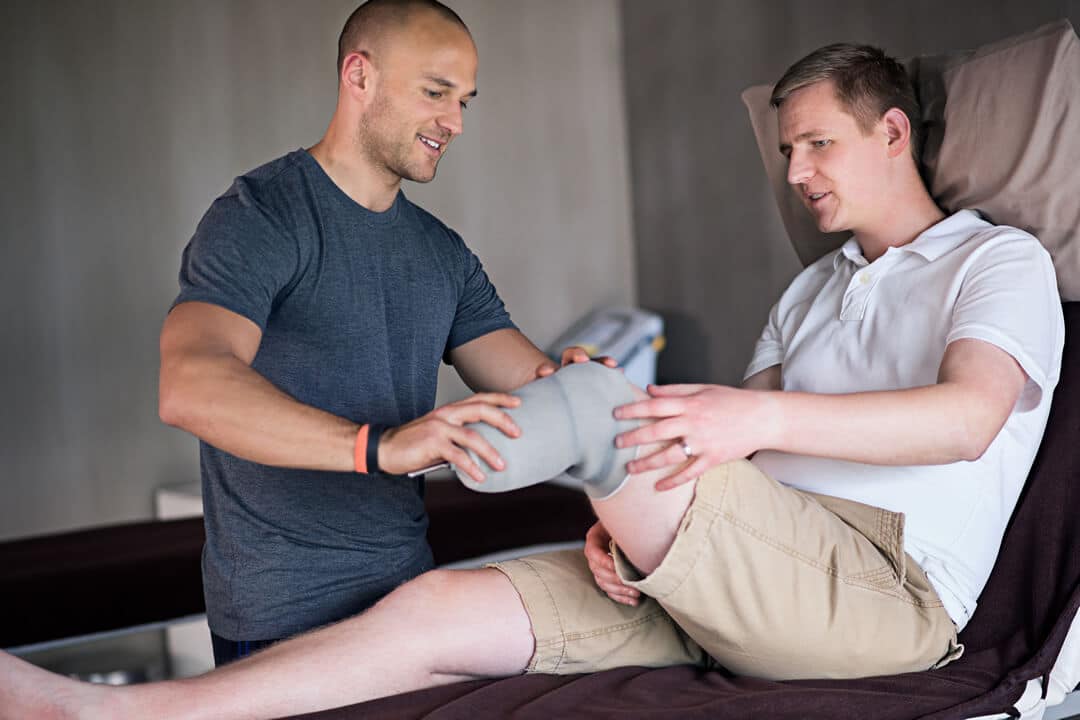
Losing a limb changes nearly every aspect of your life. Simple tasks can become challenging, and your ability to work may be severely affected. If you’re facing life after an amputation, you could qualify for Social Security Disability (SSDI) benefits or Supplemental Security Income (SSI) to help ease the financial burden during this difficult time.
What is Amputation?
Amputation is a surgical procedure to remove part or all of a body appendage. Doctors perform amputations when severe injury or disease compromises a body part’s function or causes a risk of infection or tissue death spreading to other areas of the body. Typically, this involves a limb (arm or leg) or extremity (hand or foot). Less commonly, amputation can involve removing facial features like an ear, nose, or tongue. A mastectomy (breast removal) is also a form of amputation.
Common conditions requiring surgical amputation include:
- Peripheral artery disease (PAD) complications causing blood flow loss
- Diabetes complications leading to nerve damage and sensation loss
- Nonhealing foot/toe ulcers from diabetes or PAD
- Gangrene, causing spreading tissue death
- Severe frostbite with irreversible tissue damage
- Life-threatening bone, joint, or tissue infections
- Inoperable cancerous tumors in the affected body part
Social Security Benefits for Amputation
When you apply for Social Security benefits due to an amputation, the SSA follows a five-step process to determine your eligibility:
- The SSA first checks if you are working and earning above what they call the Substantial Gainful Activity (SGA) level. The SGA level for the current year can be found on the SSA website.
- The SSA evaluates whether your amputation significantly limits your ability to perform basic work activities such as sitting, standing, lifting, carrying, pushing, or pulling.
- The SSA compares your amputation to specific criteria outlined in the SSA’s Blue Book listing 1.20 for musculoskeletal disorders. This listing identifies certain amputations as severe enough to qualify for disability benefits. These include:
- Bilateral amputation of the upper extremities (both arms or hands removed)
- Hemipelvectomy or hip disarticulation (entire leg removed)
- One upper and one lower limb removed, with an inability to use the remaining upper extremity for work
- Complications from a lower limb amputation that prevent the use of a prosthesis
- If your amputation does not meet a listing, SSA evaluates whether you can still perform any of your past work despite your impairment.
- If you cannot do your previous work, SSA assesses whether you can adapt to other types of work based on your age, education, work history, and physical or mental capabilities.
Getting Help with Your Disability Claim
Applying for disability benefits after an amputation can be complicated and stressful. Our experienced attorneys understand the specific requirements and can help you.
Contact us for a free case evaluation. Let our family help your family during this challenging time.