The Role of Expert Witnesses in Personal Injury Cases
Mar 16, 2026 | Personal Injury, Spencer W. Jones
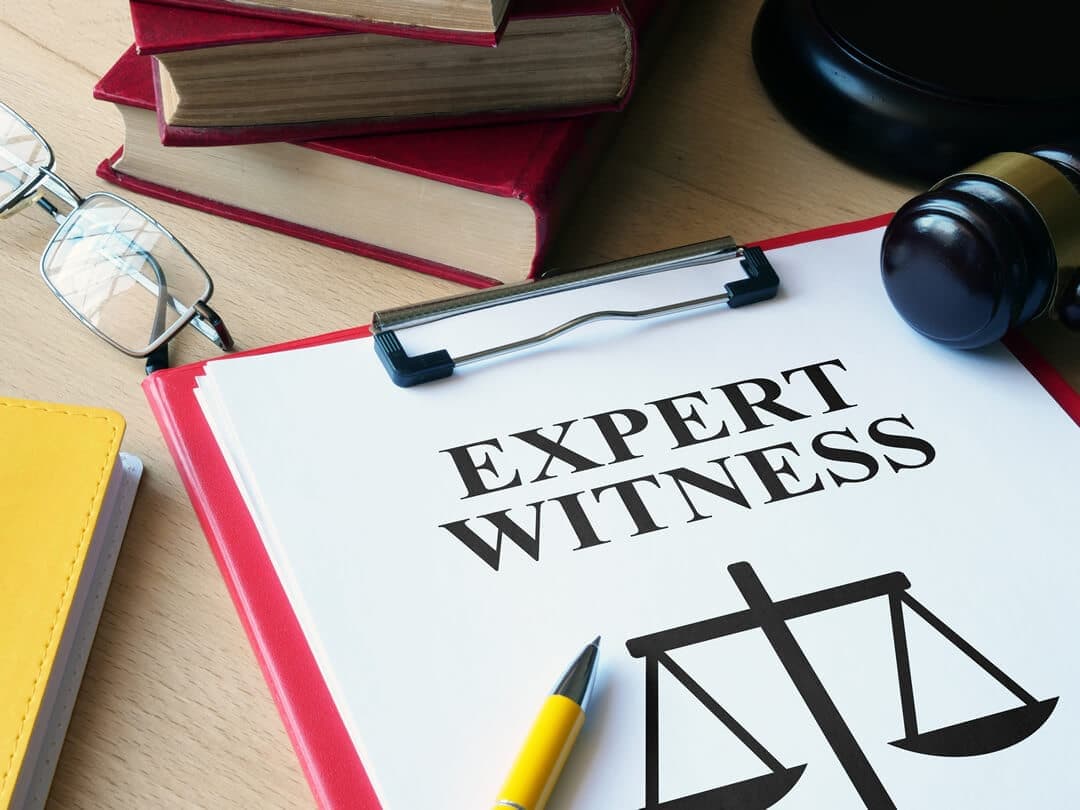
When pursuing a personal injury claim, the stakes are high. The outcome can impact your life, both financially and emotionally. You may need to enlist the aid of an expert witness to strengthen your case. This blog post looks at the different expert witnesses used in personal injury cases and how their expertise can be crucial in strengthening your personal injury case.
Why Expert Witnesses Matter
The involvement of expert witnesses can have a profound effect on the outcome of personal injury claims. They have specialized knowledge and skills that allow them to conduct detailed assessments and provide explanations that can prove who is at fault in a personal injury claim. They can also show the complete extent of damages by calculating ongoing medical expenses, lost wages, and future income. This ensures fair compensation for the injured person. In addition, their expertise serves to counter the defense’s arguments, ultimately strengthening the plaintiff’s case and lending it greater credibility.
Types of Expert Witnesses
Different expert witnesses are used to help in a personal injury case. Here are the main categories and how they can help:
Medical Experts
Medical experts are the most common in personal injury cases. These professionals, like doctors and surgeons, give important insights into the plaintiff’s injuries. They can:
Describe The Injury: Medical experts explain the injuries, the needed treatments, and the long-term effects. This helps the jury understand how serious the injury is.
Prove Causation: They can link the injury directly to the accident, countering claims that the injury existed before the incident or was caused by something else.
Forecast Future Medical Needs: Medical experts can calculate future medical costs and ongoing care needs, which is crucial for determining damages in cases where ongoing care will be required or where the plaintiff has not yet reached maximum medical recovery.
Accident Reconstruction Specialists
These experts are key in cases involving car crashes, slip and fall accidents, and other incidents where how the accident happened is in question. They use physics, engineering principles, and collected evidence to:
Re-Create the Accident: They analyze the scene, damage, and witness statements to show how the accident happened.
Determine Fault: Their analysis helps establish who was at fault, clarifying liability issues.
Support or Refute Claims: They can support the plaintiff’s story or challenge the defense’s arguments by providing an objective view of the incident.
Vocational Experts
Vocational experts are important when the plaintiff’s injuries affect their ability to work. They assess the plaintiff’s work history, skills, and how their injuries affect their ability to work. They can:
Assess Employability: They can determine if the plaintiff can return to their old job and if not, then can they do a different job.
Calculate Lost Wages: They can estimate income loss because of the injury, including future earning potential, if the plaintiff can’t work as before.
Financial Analysts
Financial analysts help measure the economic impact of the injury on the plaintiff’s life. They use their skills to:
Calculate Economic Damages: They assess past and future medical costs, lost income, and other financial losses related to the injury.
Evaluate None-economic Damages: Though more subjective, they help measure pain and suffering, loss of enjoyment of life, and other non-economic damages.
Provide Financial Reports: They present detailed financial analyses to help the jury understand the full extent of the plaintiff’s losses.
Working with a Personal Injury Lawyer
The cooperation between personal injury lawyers and expert witnesses is important for a strong case. Here’s how lawyers work with these experts:
Choosing the Right Experts
Selecting the right expert witness is essential. Lawyers carefully choose experts whose credentials, experience, and knowledge match the needs of the case. The expert’s credibility can greatly influence the jury’s view.
Preparing Testimony
Lawyers work closely with expert witnesses to prepare their testimony. This includes:
Gathering Data: Collecting medical records, accident reports, work history, and other needed documents.
Reviewing Case Details: Making sure the expert understands the case facts completely.
Practice Sessions: Conducting mock examinations to prepare the expert for direct and cross-examination in court.
Presenting Expertise Clearly
Lawyers know how to guide experts in explaining complex information clearly so that the jury can grasp the importance of their testimony.
If you or a loved one are injured because of someone else’s negligence, consider contacting Brock and Stout for a free consultation. Our personal injury lawyers will explore how expert witnesses can support your claim and help you get the compensation you deserve.